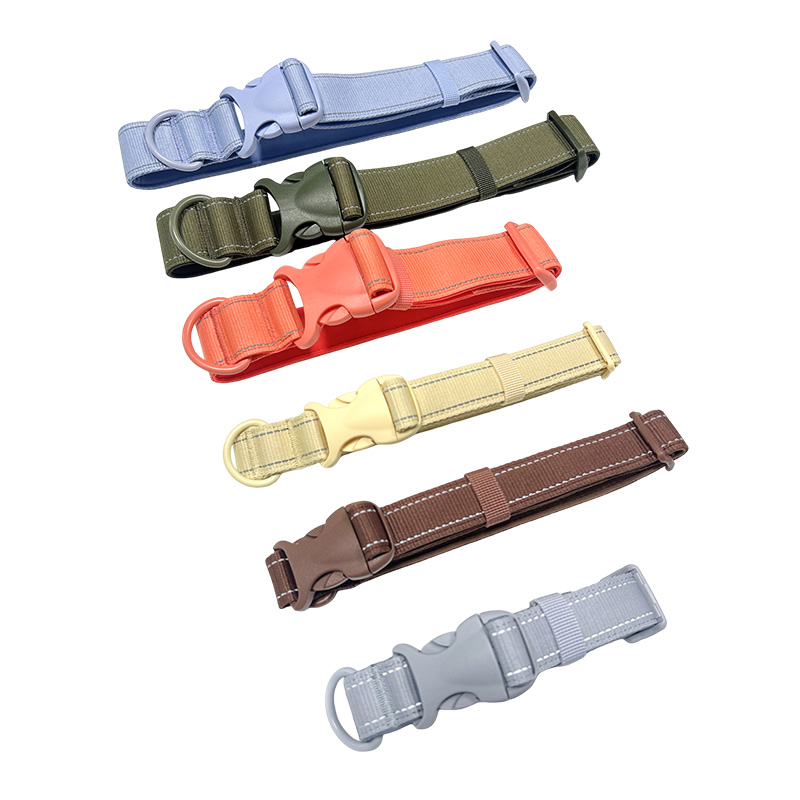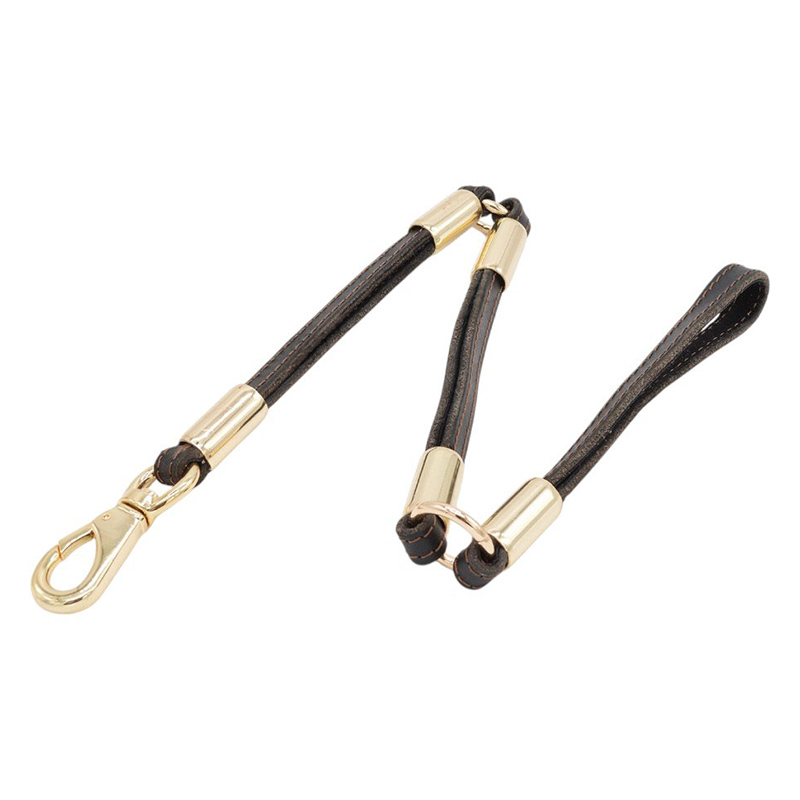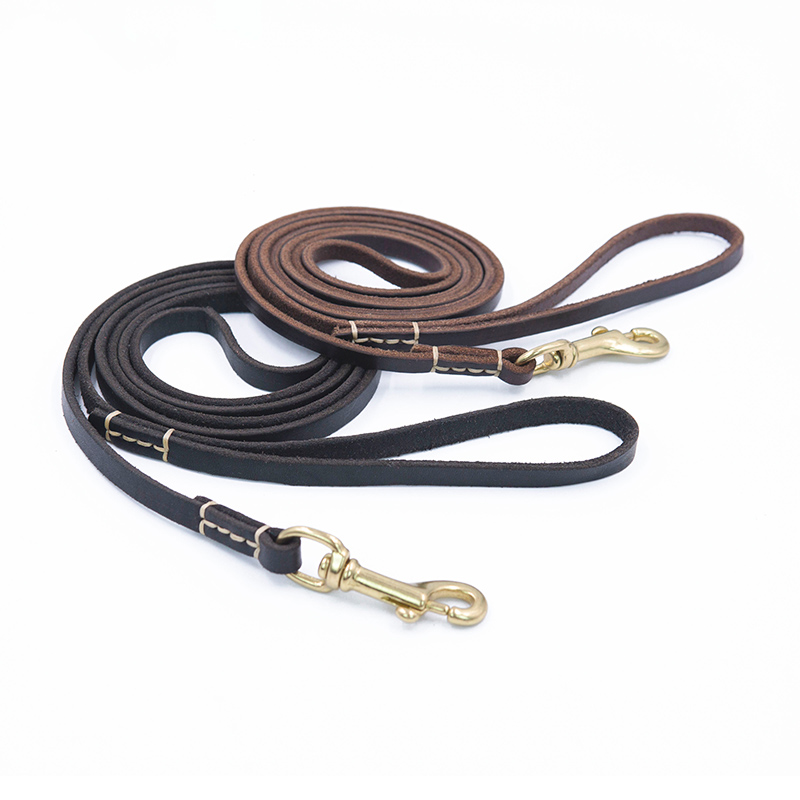
For novice dog owners, the use of leashes can easily lead to various misunderstandings, not only failing to fulfill the protective role of leashes, but also potentially harming the dog's body or affecting its behavior habits, and even causing unnecessary safety issues. Many beginners lack experience in raising dogs and have insufficient understanding of the use of leashes. They often choose and use leashes based on subjective judgment, ignoring the physiological characteristics and actual usage needs of dogs. Over time, they may fall into various misunderstandings. Understanding these common misconceptions and correcting improper operations in a timely manner is essential for the proper use of leashes, truly safeguarding the safety and health of dogs, and making the dog raising process smoother and more worry free.
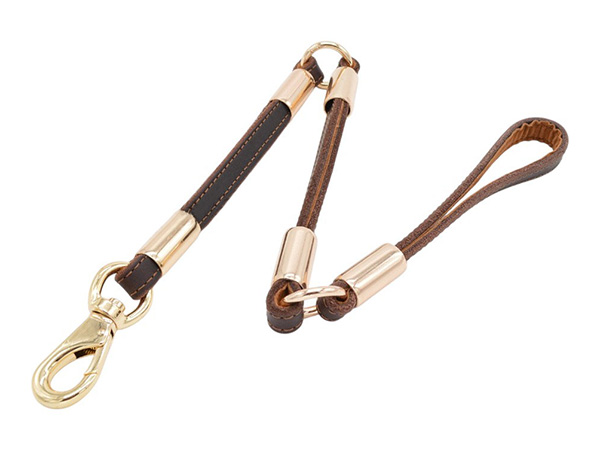
One of the most common misconceptions among beginners is blindly pursuing "beauty" and ignoring the practicality of the towing rope. Many beginners may be attracted by fancy and intricately decorated towing ropes, but they overlook core factors such as material and weight. These types of towing ropes are mostly made of hard materials and have excessive weight, which can make dogs feel uncomfortable if worn for a long time. The neck or chest is prone to redness and abrasions, and in severe cases, it may also cause skin inflammation. Another common misconception is to use the same traction rope for a long time without timely inspection and replacement. After prolonged pulling, exposure to wind and sun, the traction rope may experience wear, aging, loose stitches, and other problems. Continuing to use it at this time can easily lead to breakage. Once the dog suddenly sprints or encounters danger, it cannot be controlled in a timely manner, which can pose a great safety hazard to the dog.
In addition, some beginners may use a leash to pull and punish their dogs when they make mistakes. This practice not only causes pain to the dogs, but also creates a strong fear of the leash, leading them to resist wearing it and even exhibit anxious and evasive behavior upon seeing it. The correct approach is to combine the leash with positive guidance. When the dog cooperates with the leash and follows the owner's instructions, rewards such as snacks and caresses are given to gradually accept and like the leash, forming a positive conditioned reflex. At the same time, beginners should also pay attention that the core function of a leash is to guide and protect, not punish. Gentle guidance can make dogs more willing to cooperate. Novices should avoid these misconceptions and master the correct usage methods in order to better use the leash, establish a good relationship with dogs, and protect their healthy growth.
This website uses cookies to ensure you get the best experience on our website.
 +86-15999765490
 amy@dgxianghao.com
 Whatsapp852-67457707

 العربية
  Deutsch
  Español
  Français
  Italiano
  Português
  Русский
  Türkçe
  Tiếng Việt